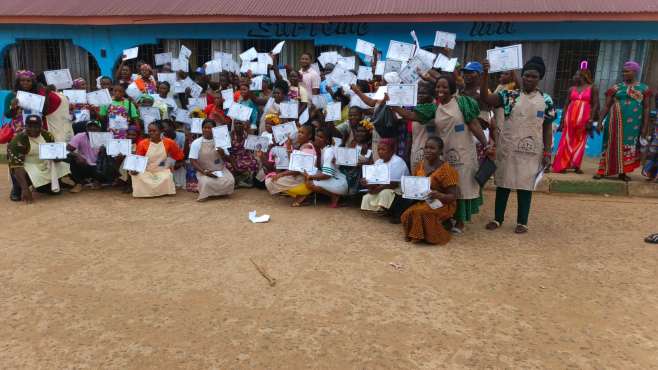
A major milestone was achieved in recent weeks as 87 fisherfolk successfully graduated from livelihood skills training under the Liberia Fisheries Governance Project (LFGP). The graduation ceremony celebrated the resilience, dedication, and commitment demonstrated by the trainees throughout the intensive training period. 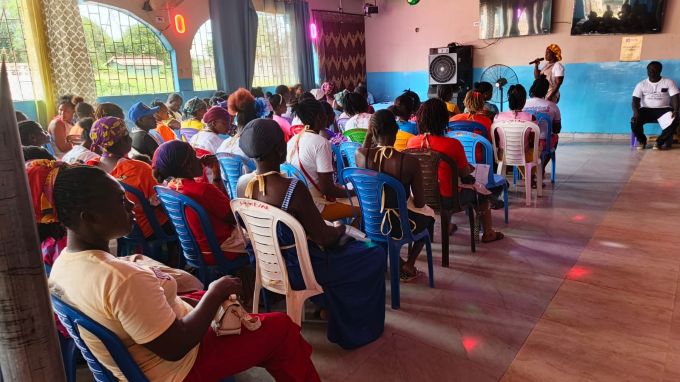
The event was marked by the official presentation of certificates to all successful participants, symbolizing not only the completion of training but also the beginning of new economic opportunities. In his keynote address, the Director for Marine at NaFAA, Solomon Daryoue, urged the graduates to apply themselves diligently to their newly acquired skills. He emphasized that these skills should be leveraged to improve household incomes, strengthen resilience, and contribute meaningfully to the development of coastal communities.
Leading up to the ceremony, trainees organized across three cohorts were equipped with in-demand vocational skills including baking, tie-and-dye production, and soap making. These skills were carefully selected to promote income diversification and strengthen economic opportunities within Liberia’s coastal communities. Importantly, the program was designed with a strong gender lens: over 90% of participants were women, a development that significantly enhances the economic participation of vulnerable groups and advances women’s empowerment in the fisheries sector.
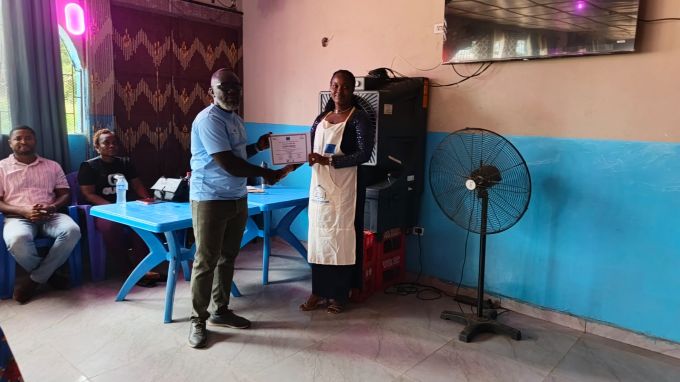
Beyond the certificates, LFGP is committed to ensuring sustainability. Each graduate will receive start-up kits to support the translation of training into practical livelihood ventures. These kits will enable participants to immediately begin production, generate income, and establish small businesses that contribute to household stability and community growth.
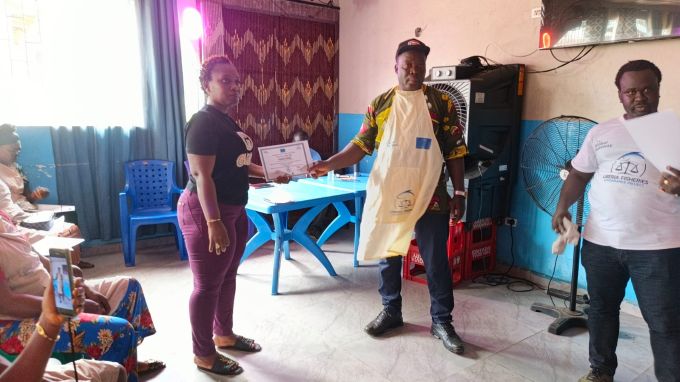
This achievement underscores LFGP’s broader mission to strengthen governance in Liberia’s small-scale fisheries while empowering marginalized fisherfolk especially women to gain voice, leadership, and decision-making power. The graduation of 87 fisherfolk is not just a project milestone; it is a transformative step toward inclusive economic resilience and gender-responsive fisheries governance.